
On the Path of the Ancestors: The Olmec Route
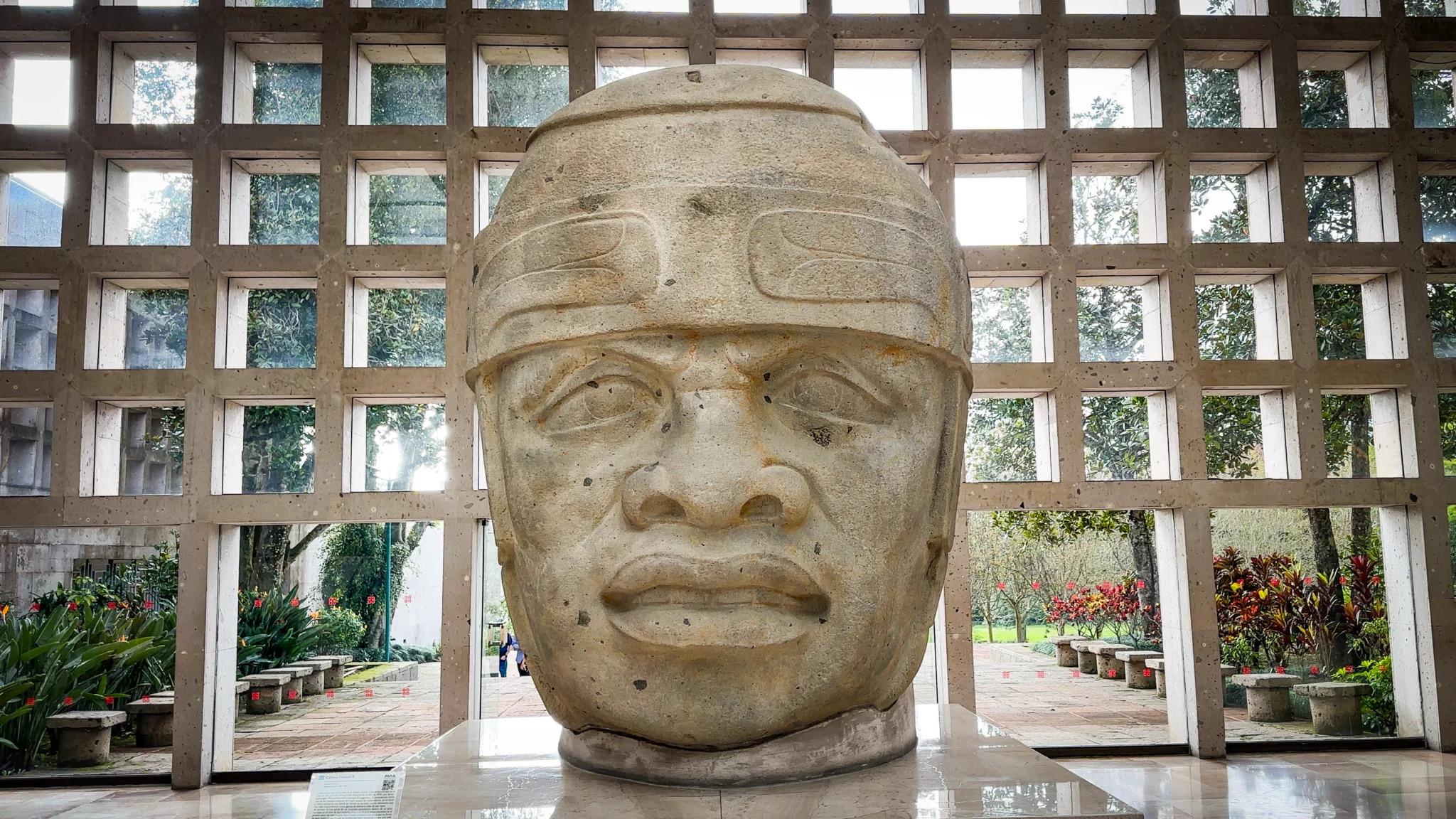
Xalapa
Xalapa comes from the classical Nahuatl word Xallapan, meaning “spring or river in the sand.” Located on the eastern slopes of the Cofre de Perote volcano, the city sits within a cool mountain cloud forest (bosque de niebla). This position placed Xalapa directly between the dry central Mexican highlands and the warm Gulf Coast lowlands. Because of this, it became a major trade gateway. Highland goods like obsidian, basalt, and maize moved down toward the coast, while coastal luxuries like cacao, vanilla, cotton cloth, quetzal feathers, and natural rubber traveled up into the mountains.
According to the Nahua elders, places where underground springs bubbled up through the sand were sacred altars of purification. They were seen as natural thresholds where people could connect directly with the life-giving forces of the earth.
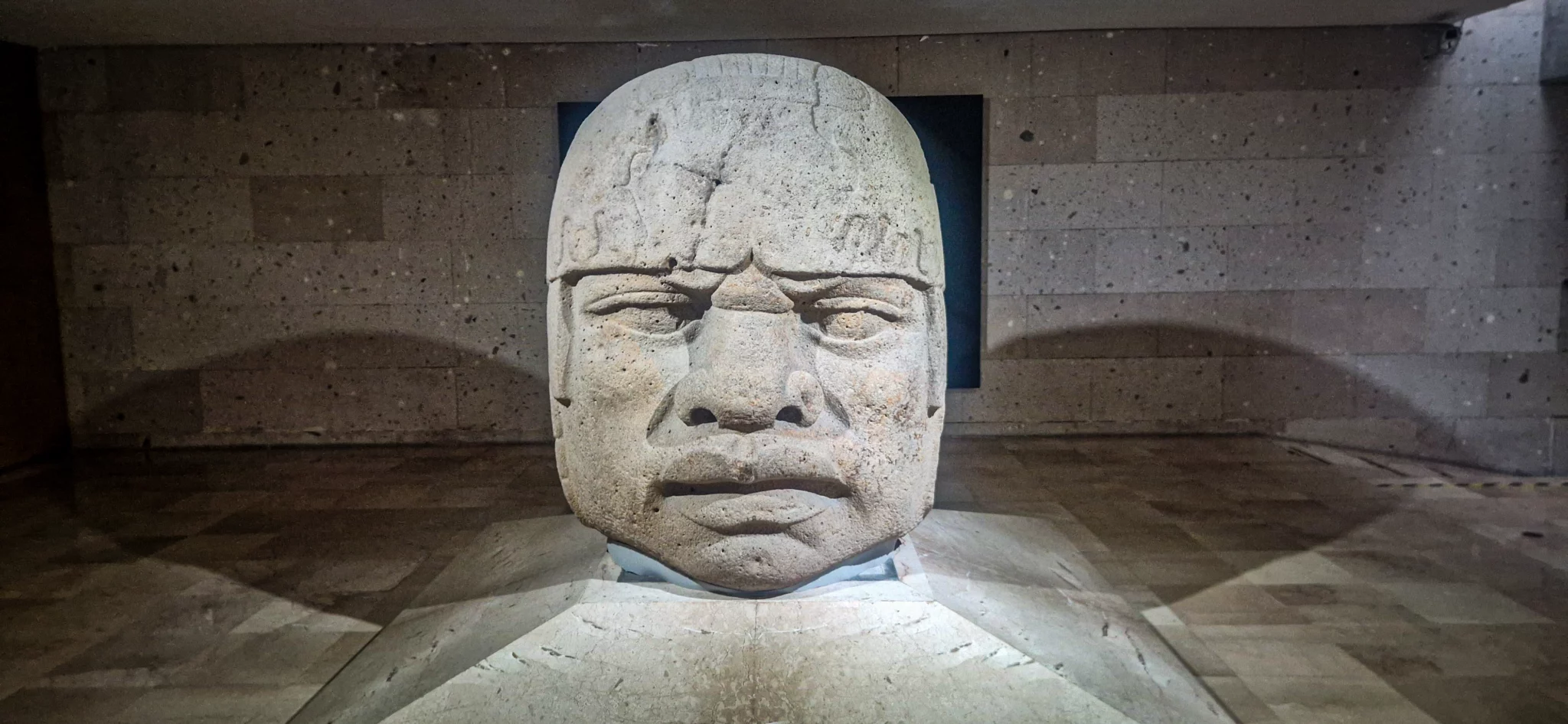
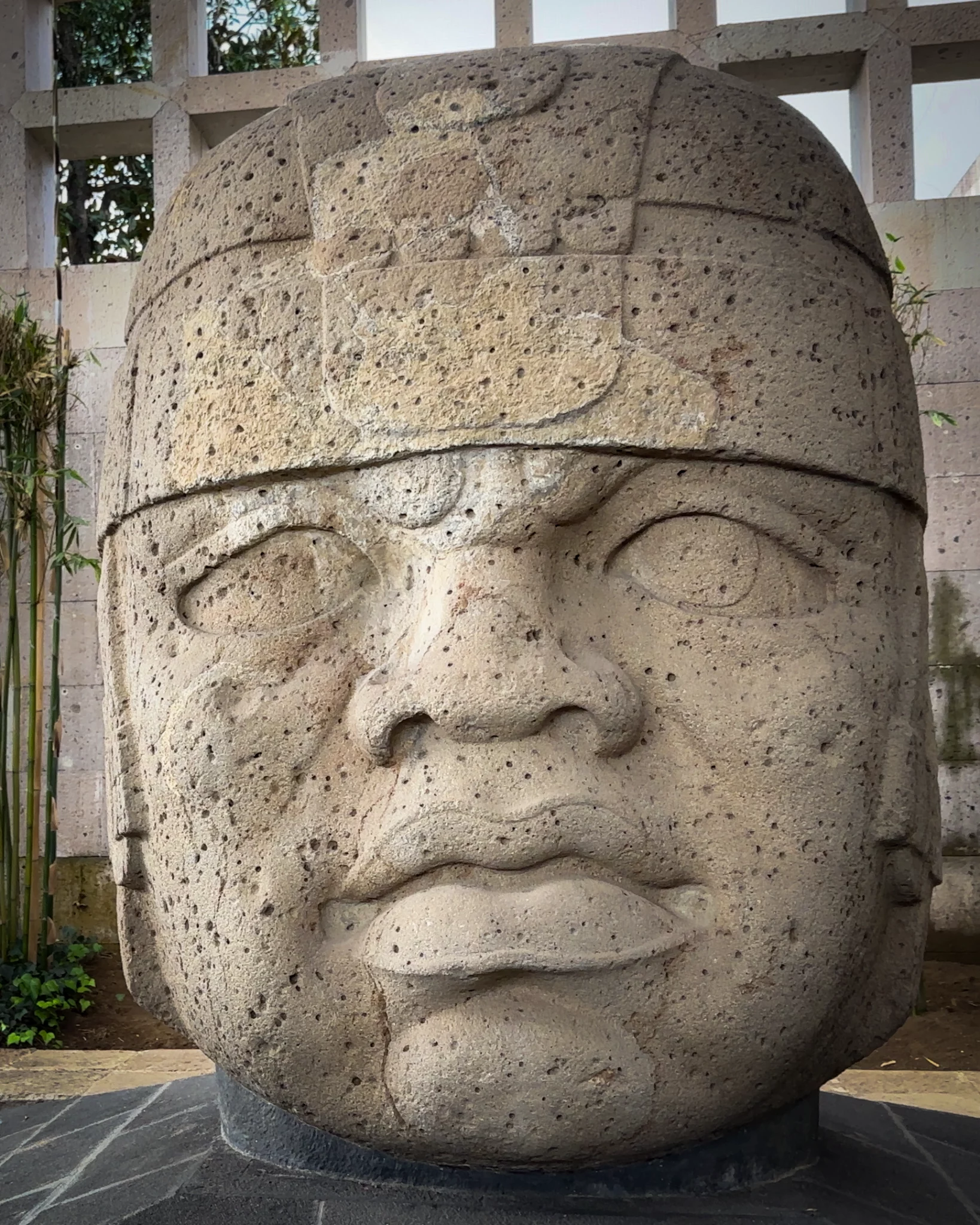
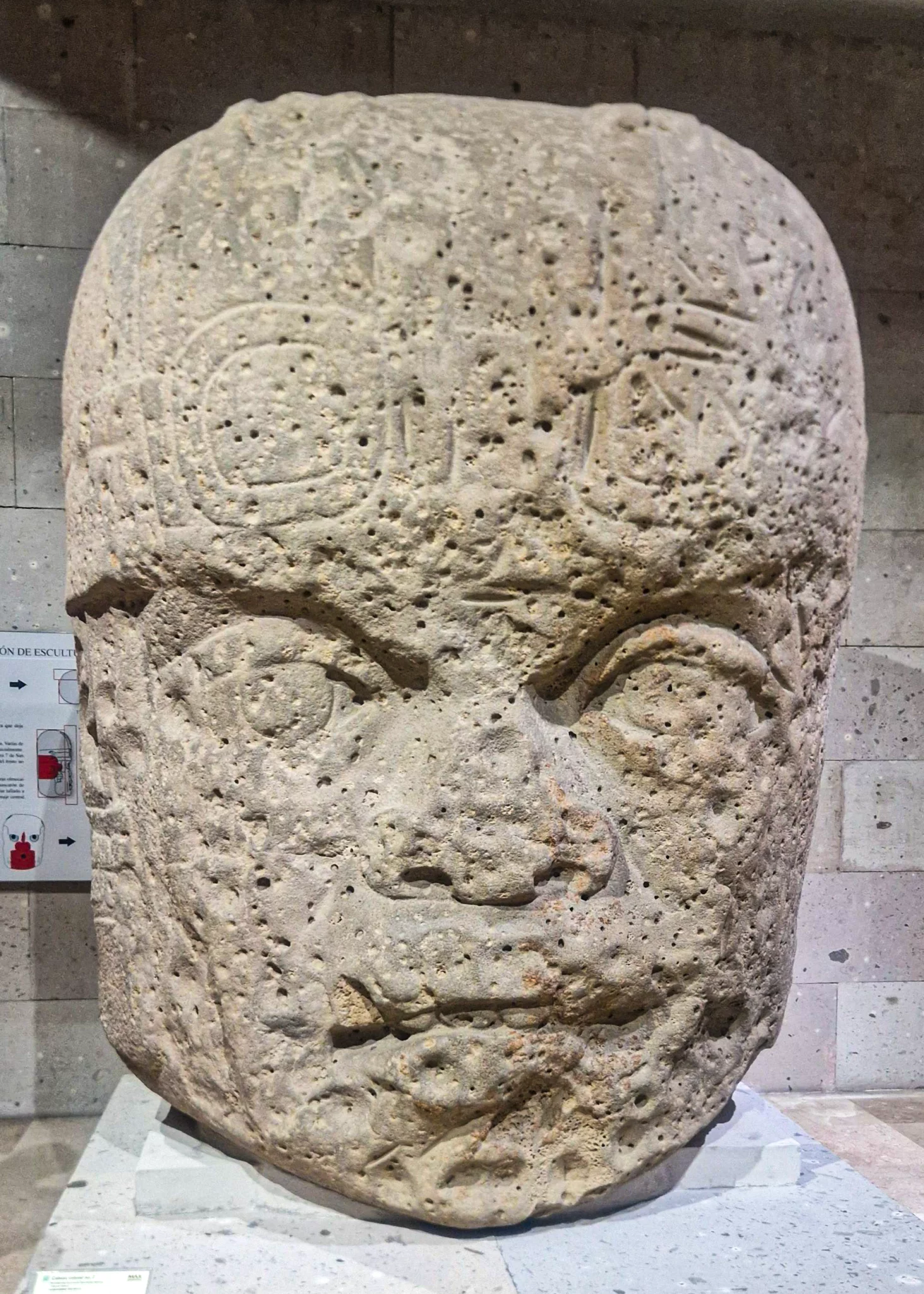
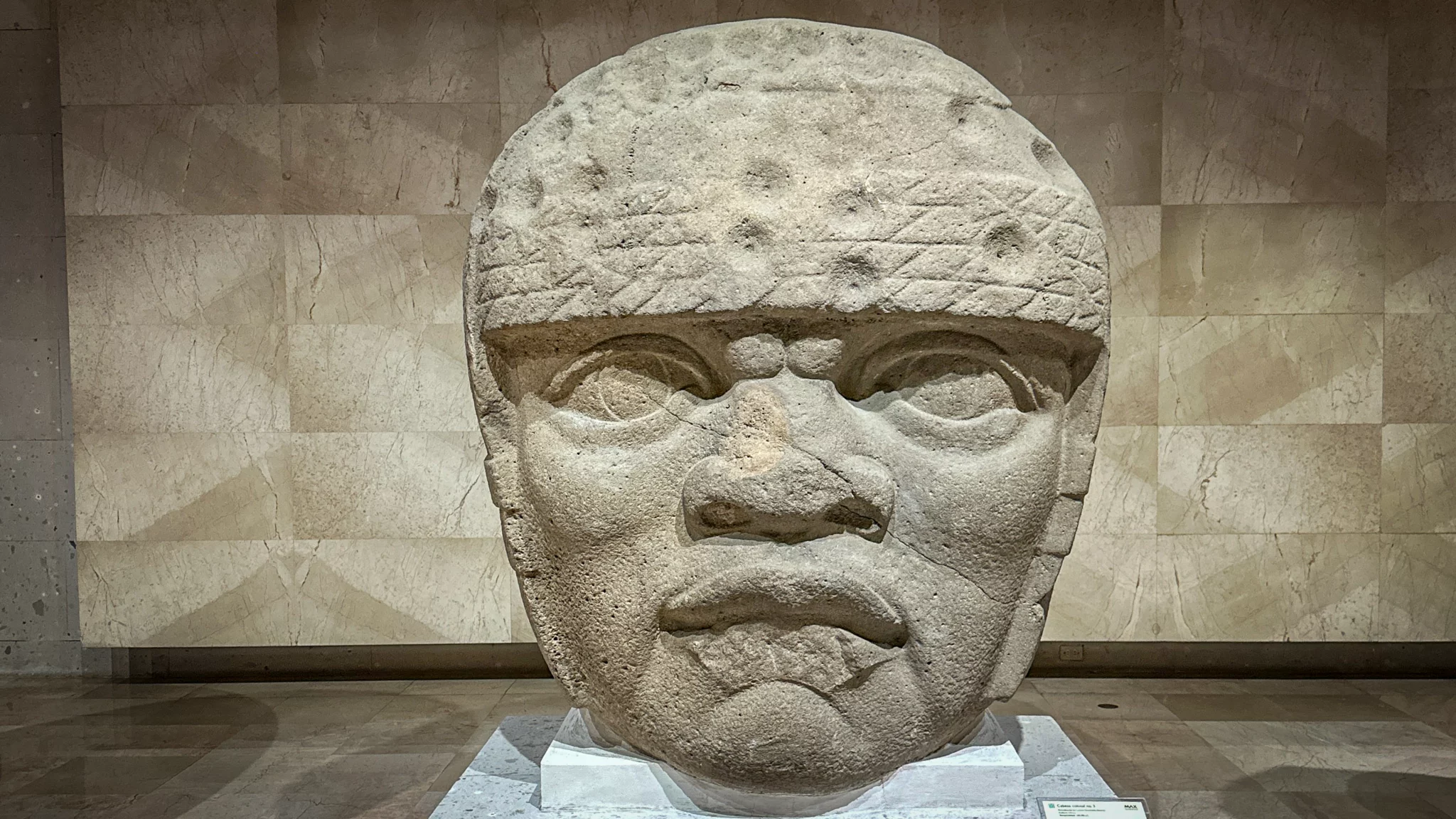
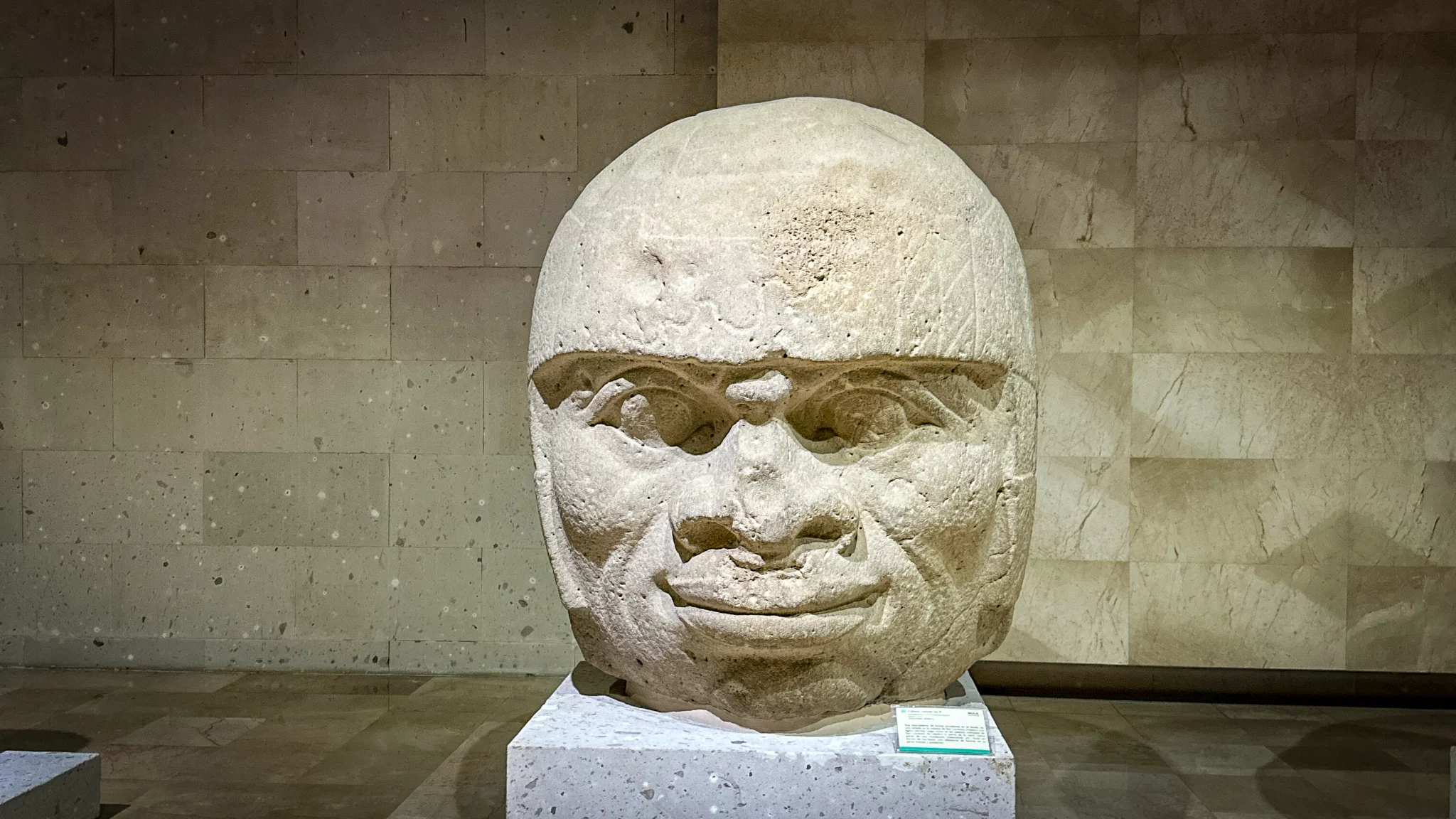
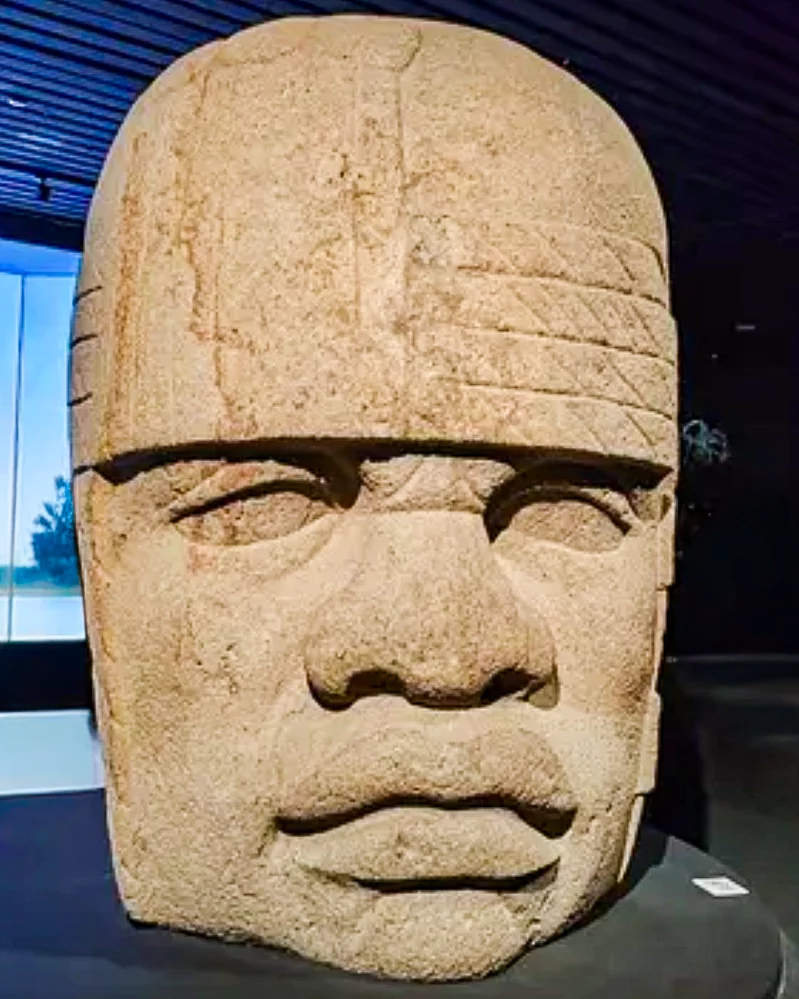
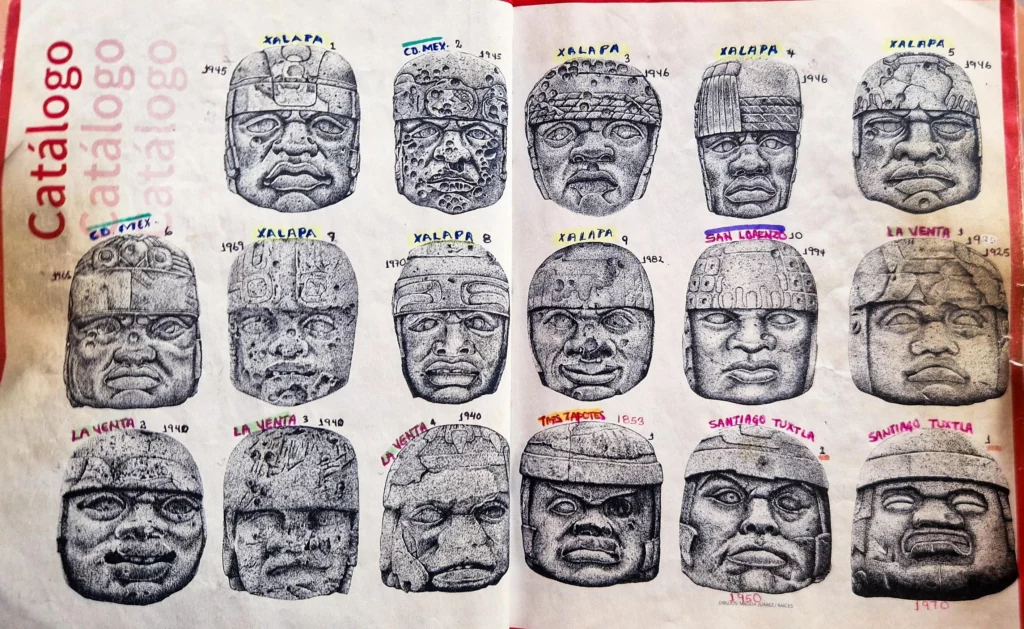
San Lorenzo Colossal Heads 1, 3, 5, 7, 8, 9, and Head 4, on loan to the Shanghai Museum during the time of our pilgrimage
Santiago Tuxtla
Nestled in the western foothills of the Tuxtla Mountains, Santiago Tuxtla holds a unique place in the history of ancient Mexico. It was the birthplace of modern Olmec archaeology and the natural source of the volcanic stone used for the civilization’s giant monuments. Unlike other Gulf Coast settlements that had to import luxury goods, this region supplied the raw basalt that carvers turned into the earliest governing portraits in Mesoamerica. Today, the town remains an open-air display where these monuments stay closely tied to their native landscape.
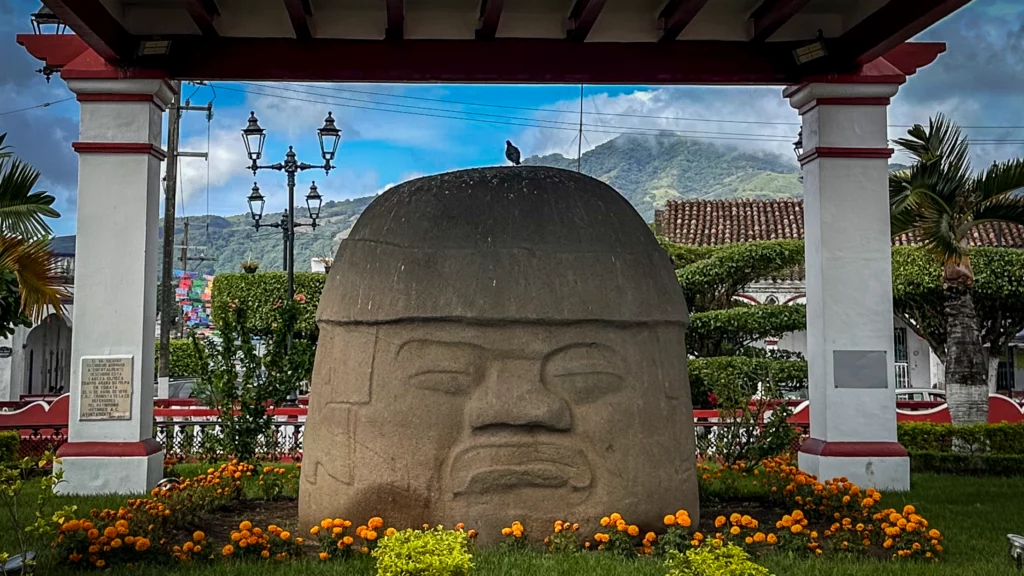
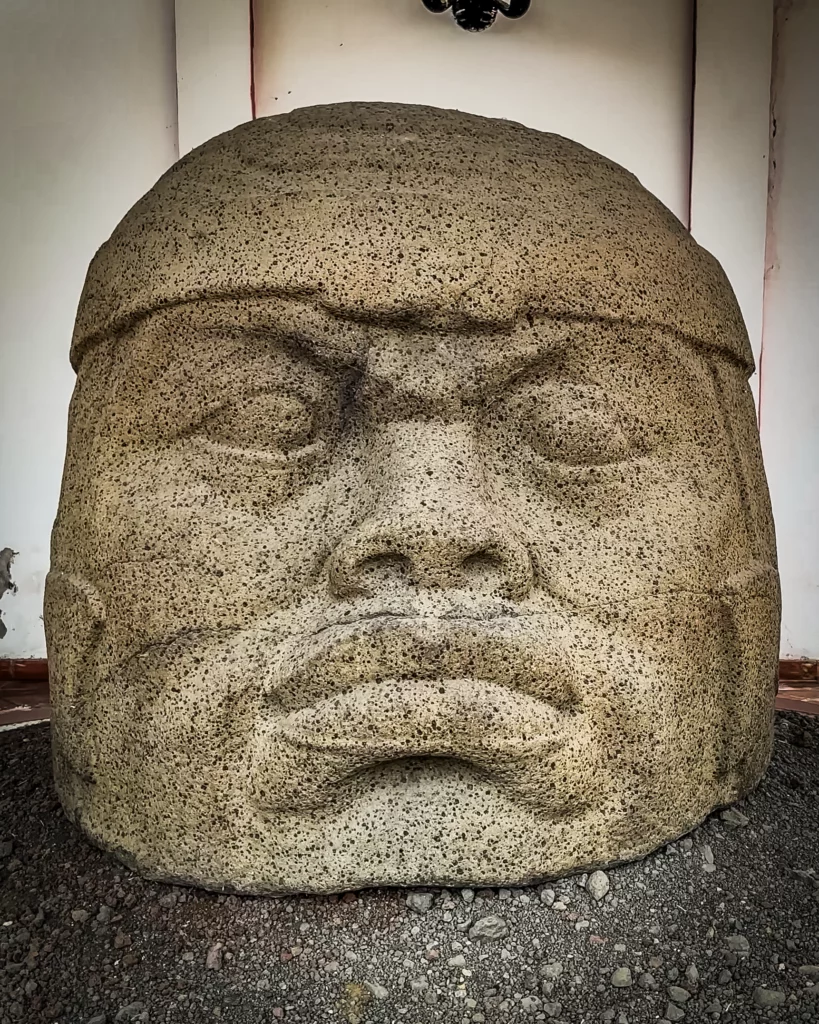
Tres Zapotes sits along the Arroyo Hueyapan in the western foothills of the Tuxtla Mountains, in southern Veracruz. While earlier Olmec capitals like San Lorenzo and La Venta eventually collapsed, Tres Zapotes showed remarkable endurance. People lived there continuously for nearly two thousand years, from the Early Formative period through the Classic era. This long history allowed the city to preserve early Olmec traditions while helping birth the later Epi-Olmec culture, linking ancient governing traditions with the development of early writing and calendar systems.
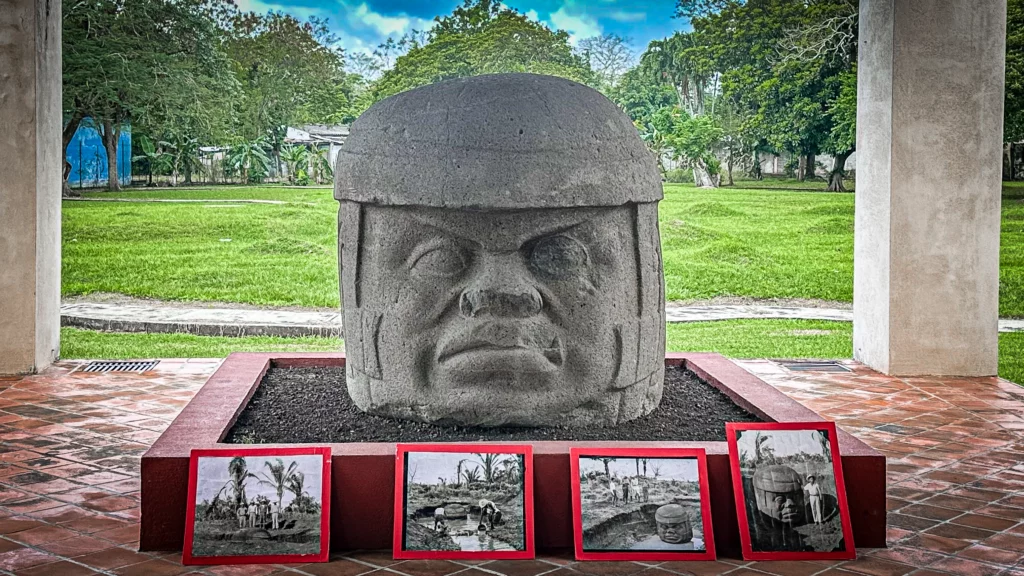
San Lorenzo Tenochtitlán
San Lorenzo Tenochtitlán sits above the floodplains of the lower Coatzacoalcos River in southern Veracruz. It was the earliest major city and state-level society in ancient Mexico. Flanked by the nearby sites of Tenochtitlán and Potrero Nuevo, this ancient capital flourished during the Early Formative period, between 1200 and 900 BCE, long before the rise of La Venta and Tres Zapotes.
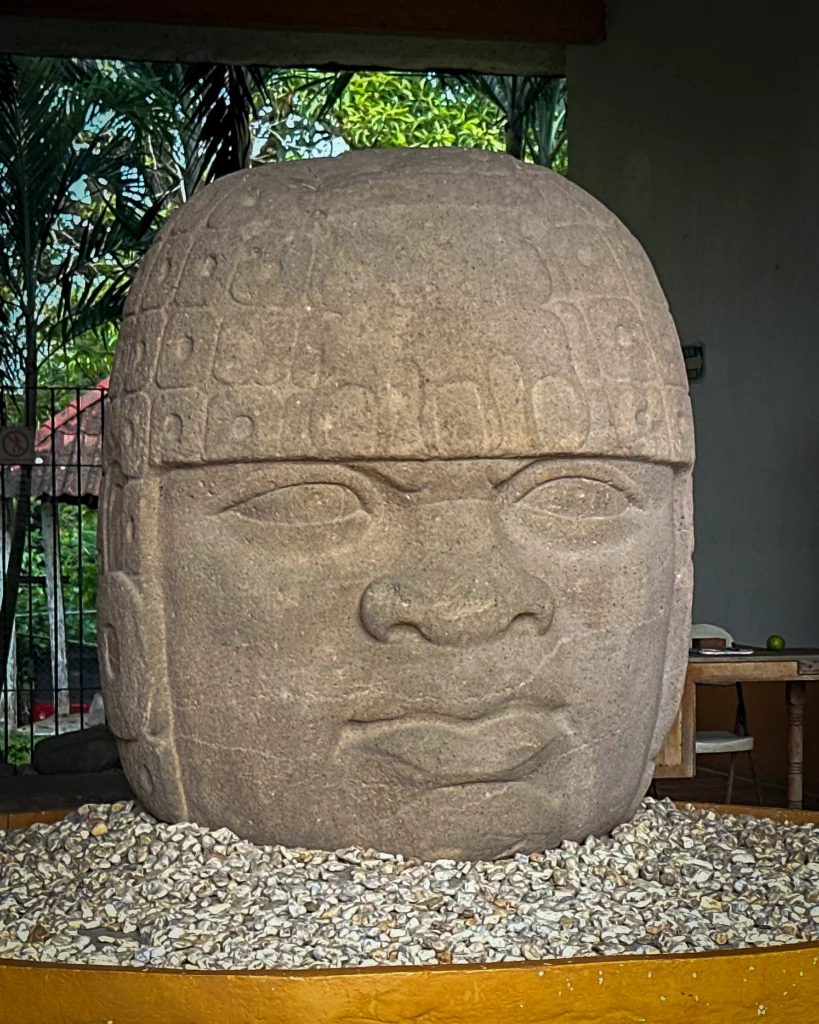
La Venta was the greatest ceremonial and urban center of the Olmec world. It sat on a low, dry ridge surrounded by swamps, rivers, and mangrove lagoons of western Tabasco. The city flourished during the Middle Formative period, between 900 and 400 BCE, rising to power after the decline of San Lorenzo Tenochtitlán.
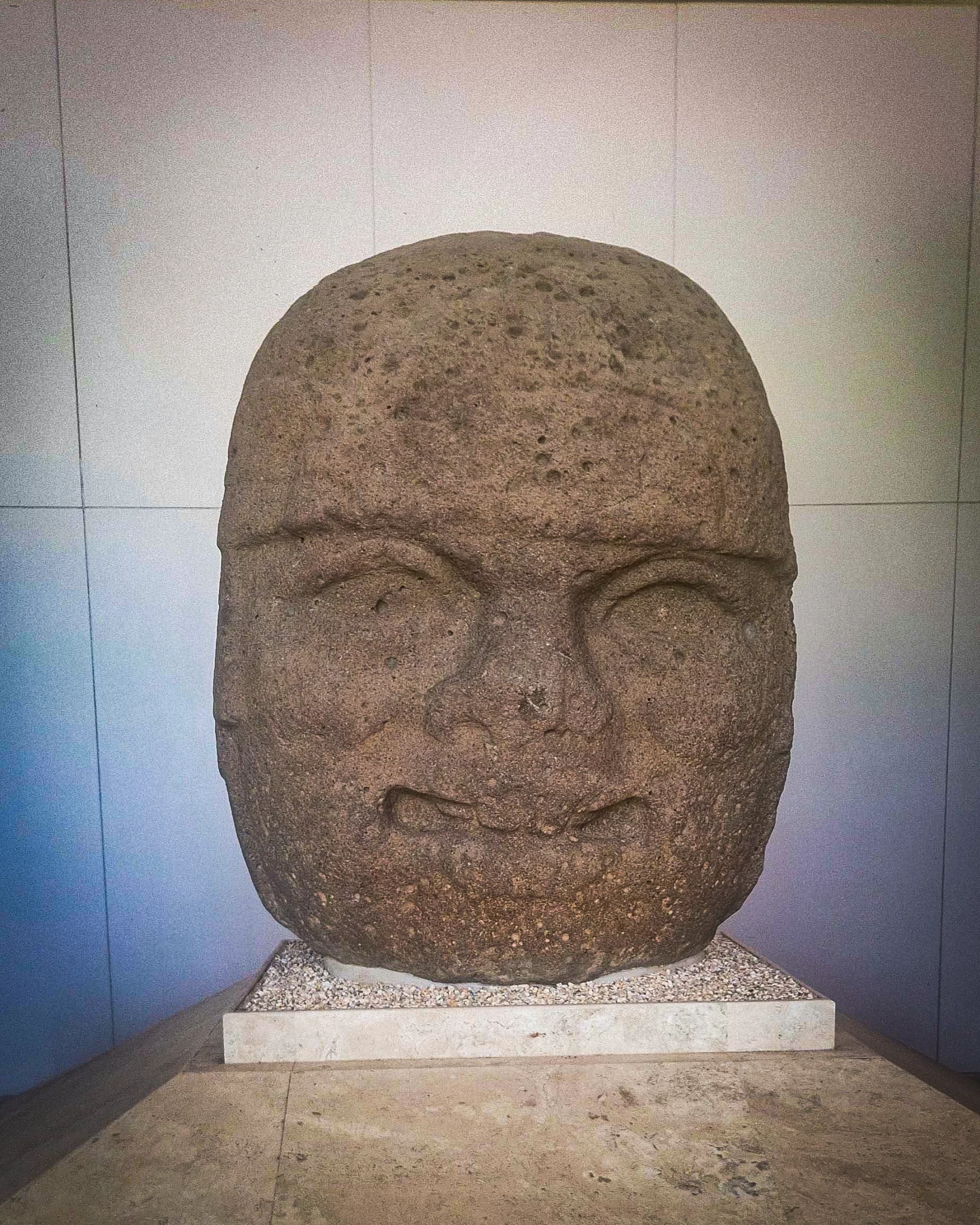
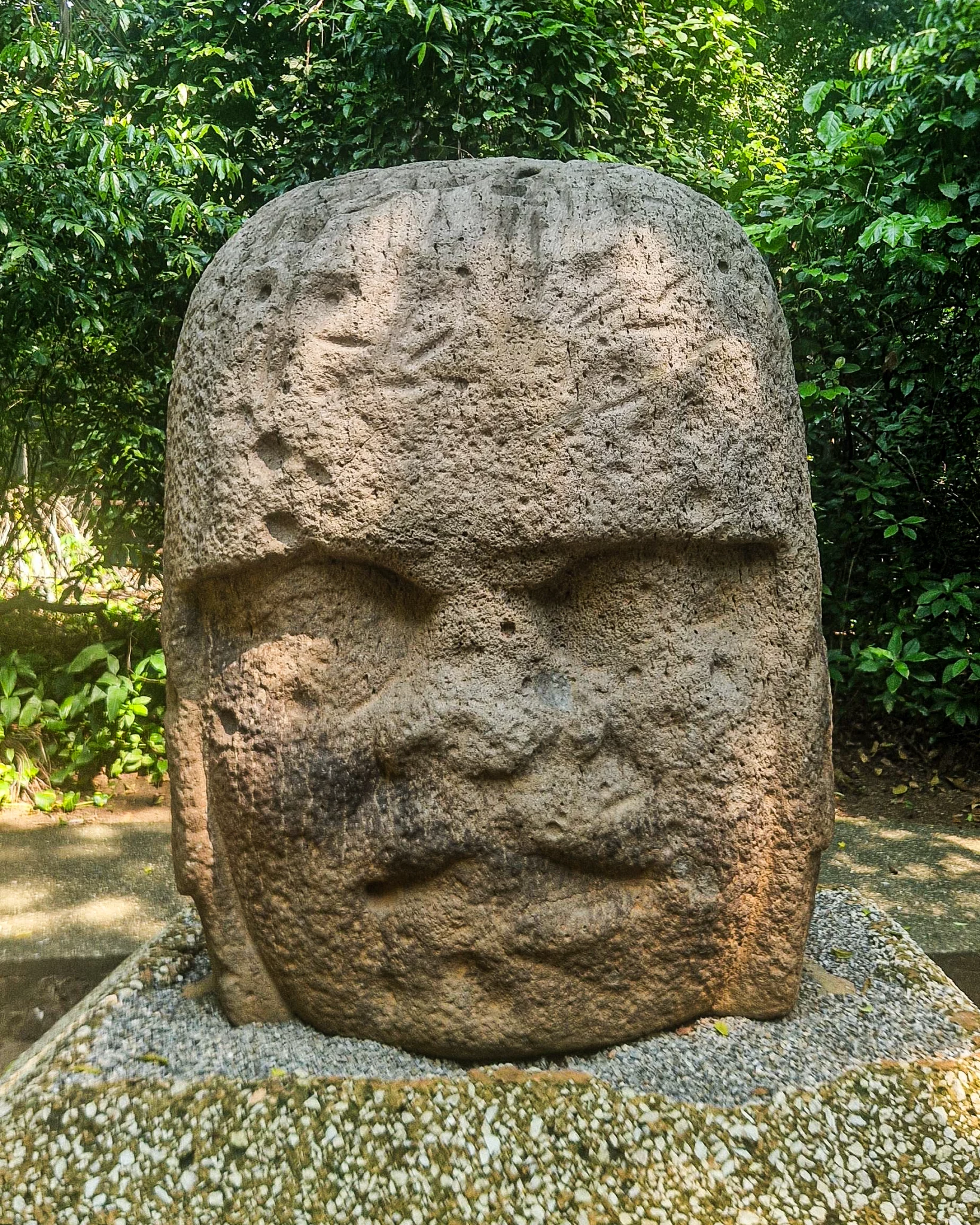
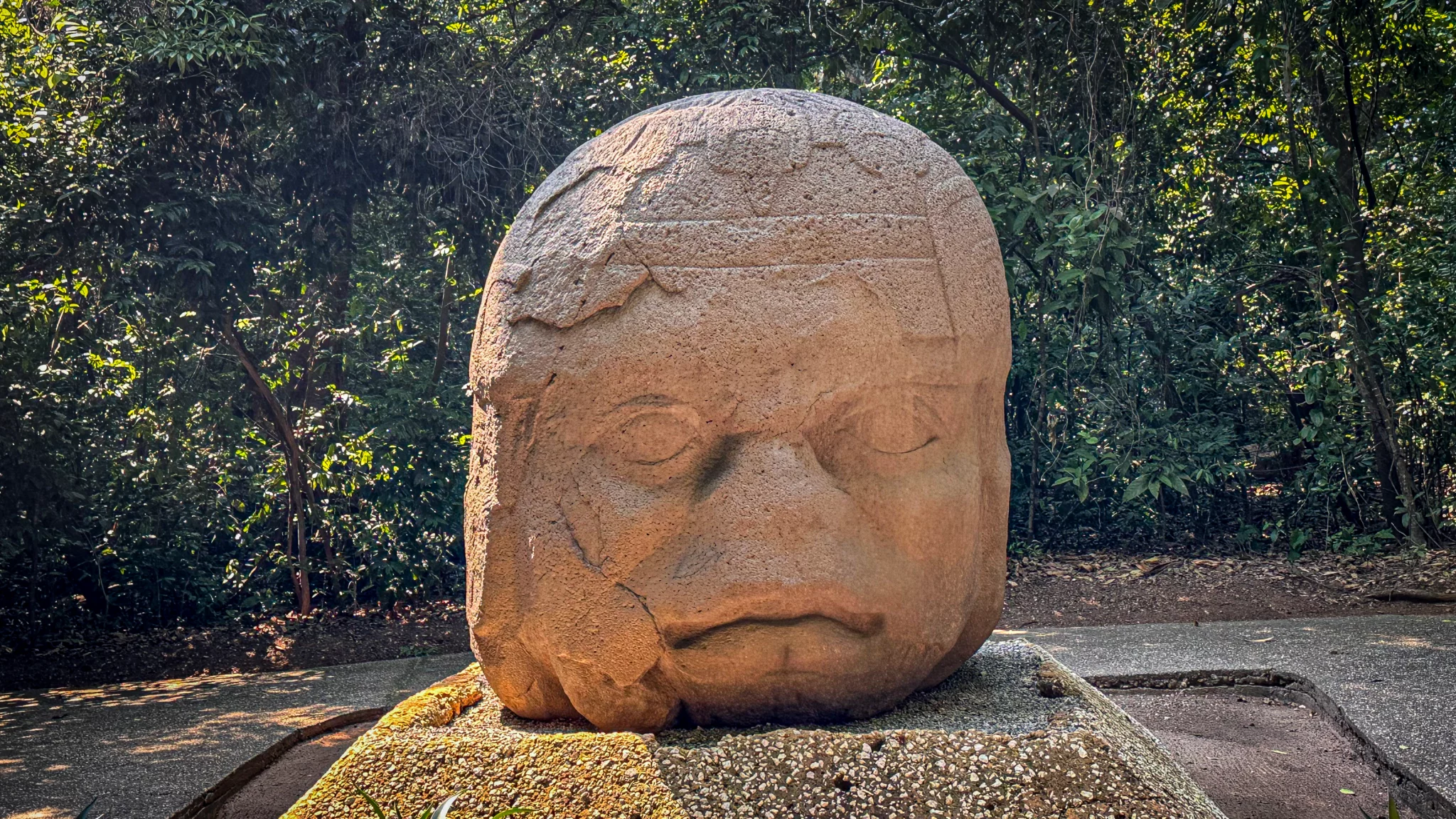
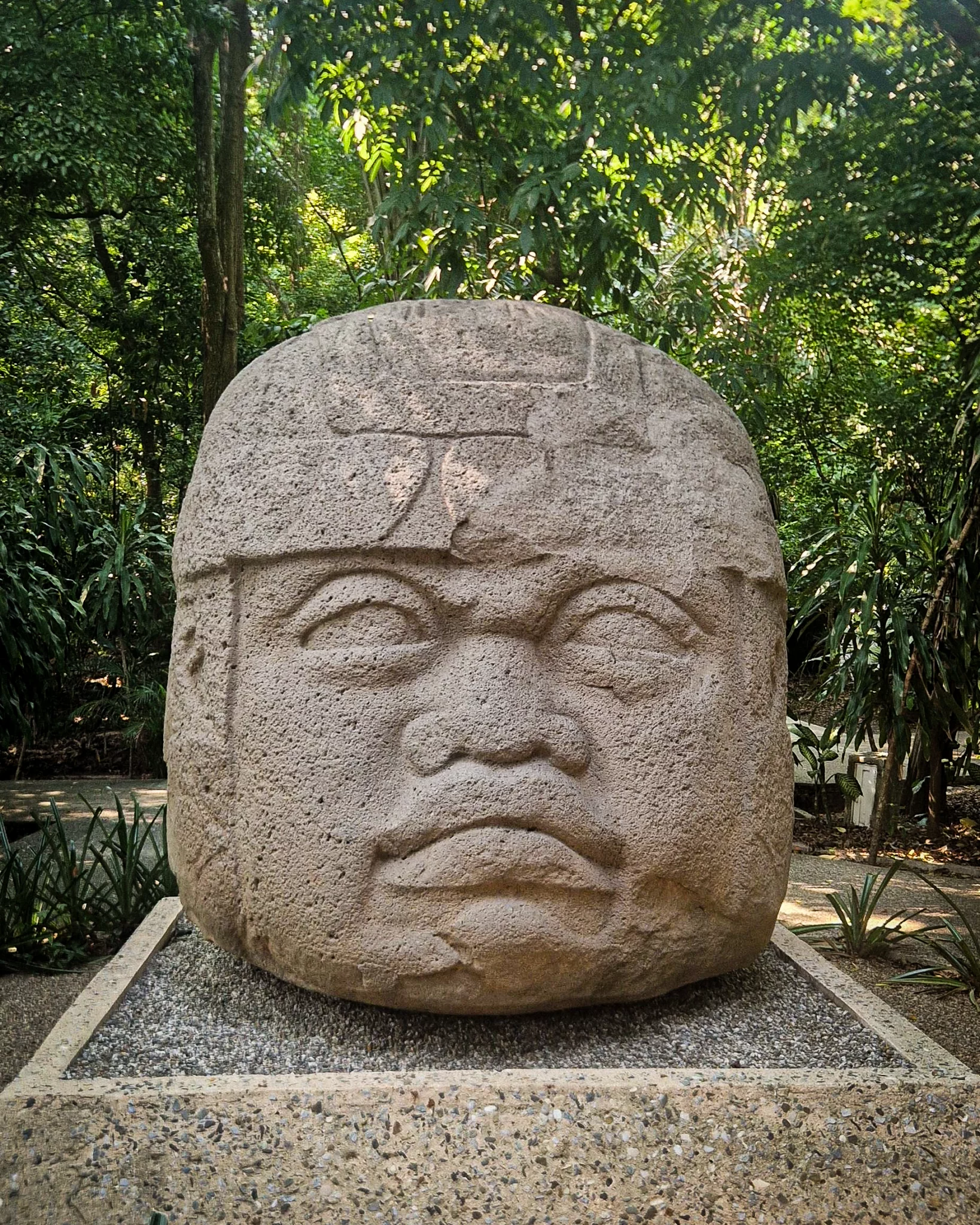
La Venta Heads 1 through 4 and cataloged as Monuments 1, 2, 3, and 4
Mexico City
Modern Mexico City sits directly on the ruins of Mexico-Tenochtitlán, the ancient Mexica capital. For centuries, this highland valley has gathered wealth, power, and ideas from distant regions.
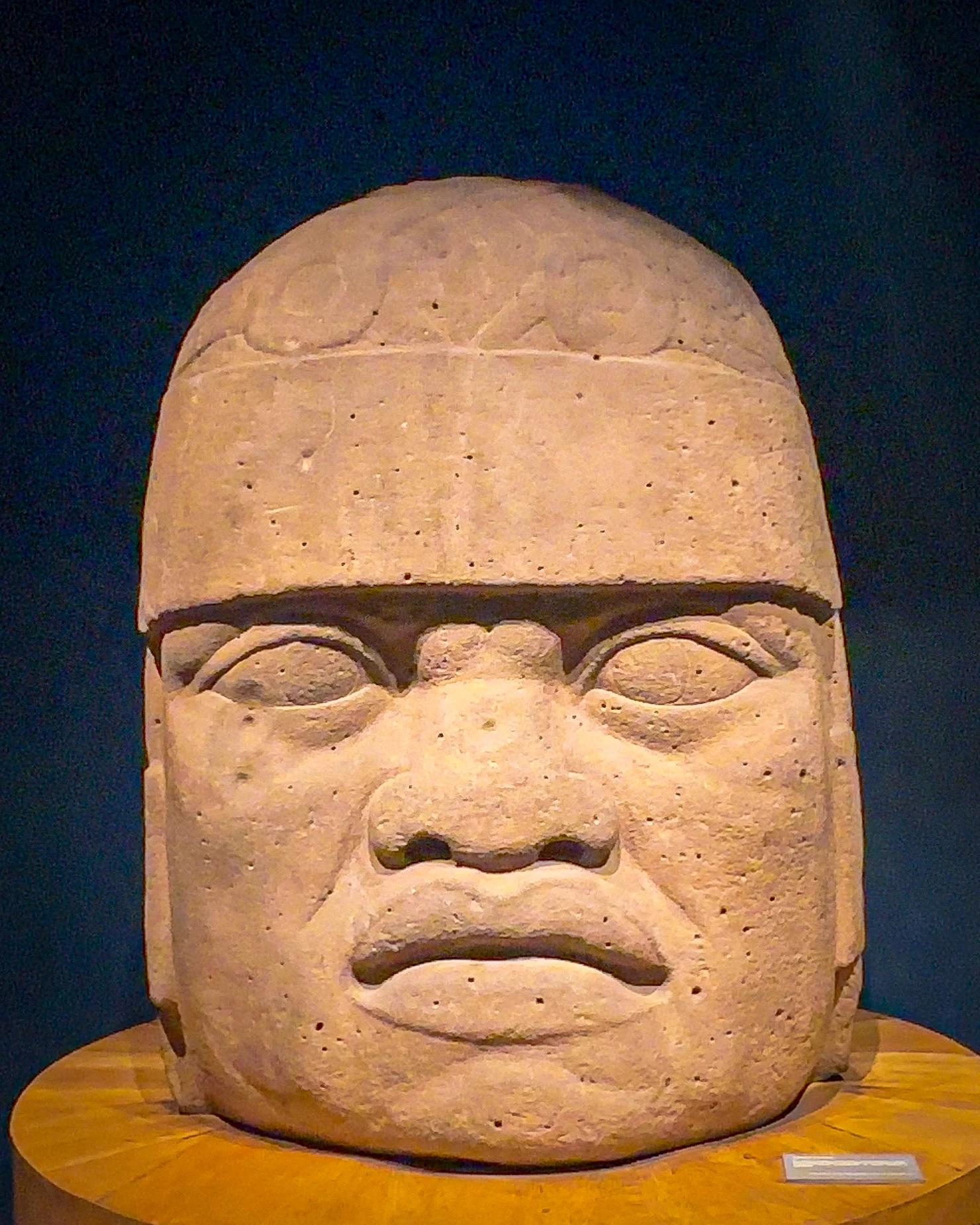
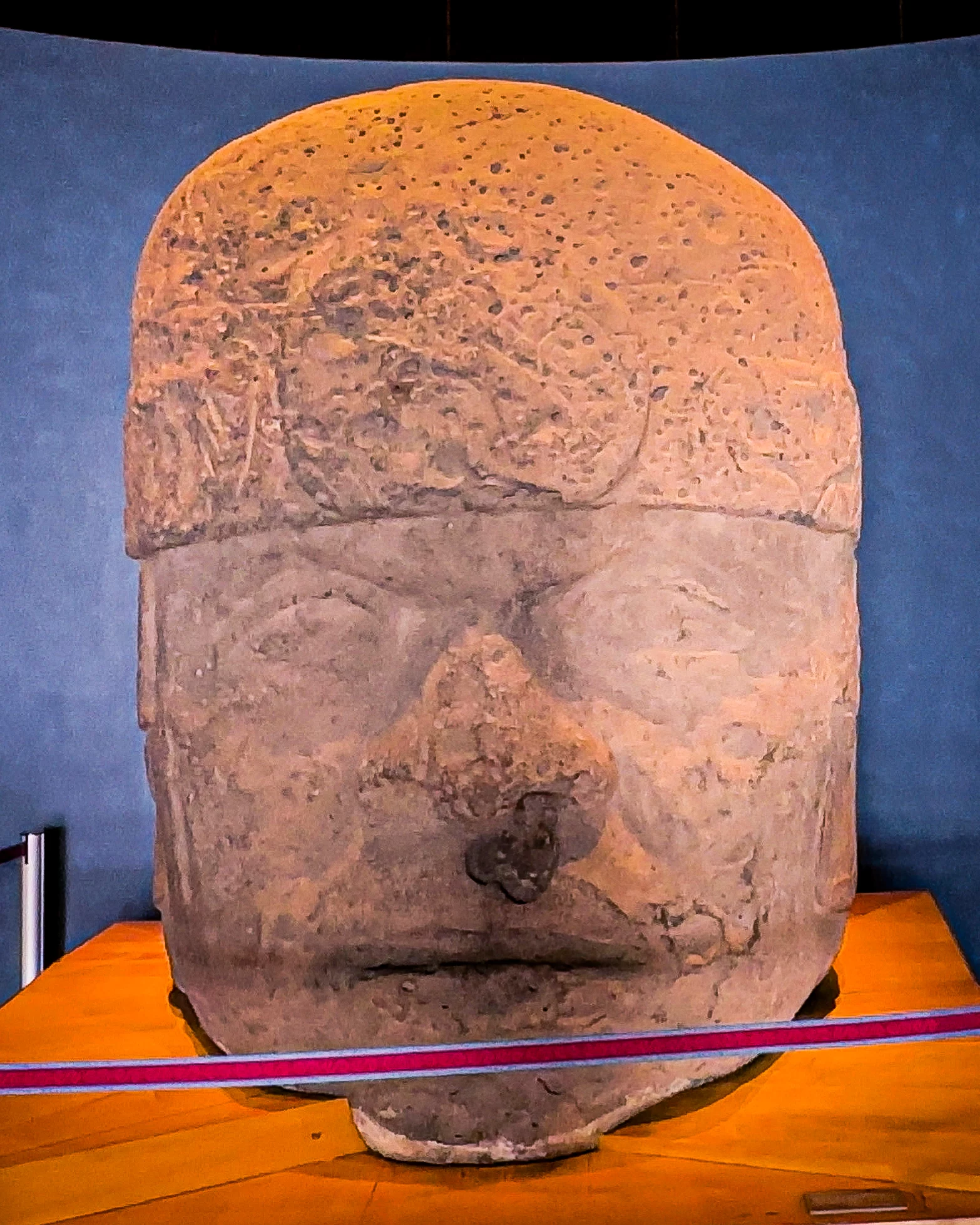
San Lorenzo Head 6 and San Lorenzo Head 2
Unification at the Ocean Shore
A true pilgrimage is a moving meditation. The journey outside becomes a mirror for the mind within. Traveling the ancient Olmec heartland carries a pilgrim through changing landscapes; from the quiet galleries of the museum in Xalapa to the giant La Cobata head in Santiago Tuxtla, across the farmlands of Tres Zapotes, over the river mounds of San Lorenzo, and through the coastal marshes of La Venta.

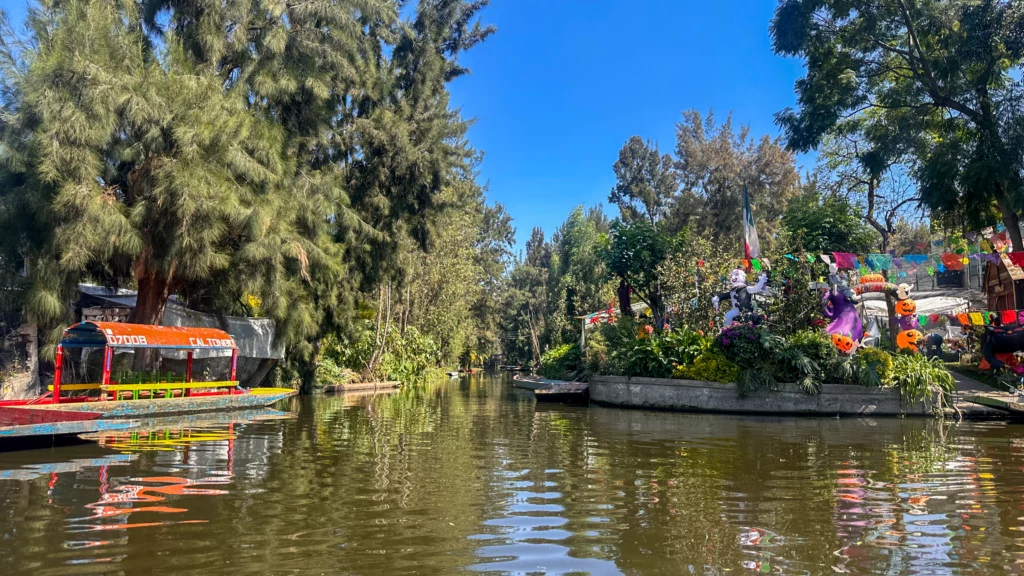
Xochimilco: The Floating Sanctuaries of Flower and Water
Located in the southern Valley of Mexico, Xochimilco means “in the place of the flower fields.” It is the last living remnant of the great lake system of ancient Mexico.
Tepoztlán: The Mountain Sanctuary of Copper and Wind
Tepoztlán sits in a lush valley lined with steep cliffs in the state of Morelos. Its name means “place of abundant copper” or “place of broken rocks.” Guarded by ancient volcanic peaks shaped by wind and rain, it enjoys a pleasant climate where cool pine forests meet warm lowlands. According to local legend, this valley is the birthplace of Ce Ácatl Topiltzin Quetzalcóatl, the legendary priest-king who brought arts, learning, and spiritual balance to ancient Mexico.

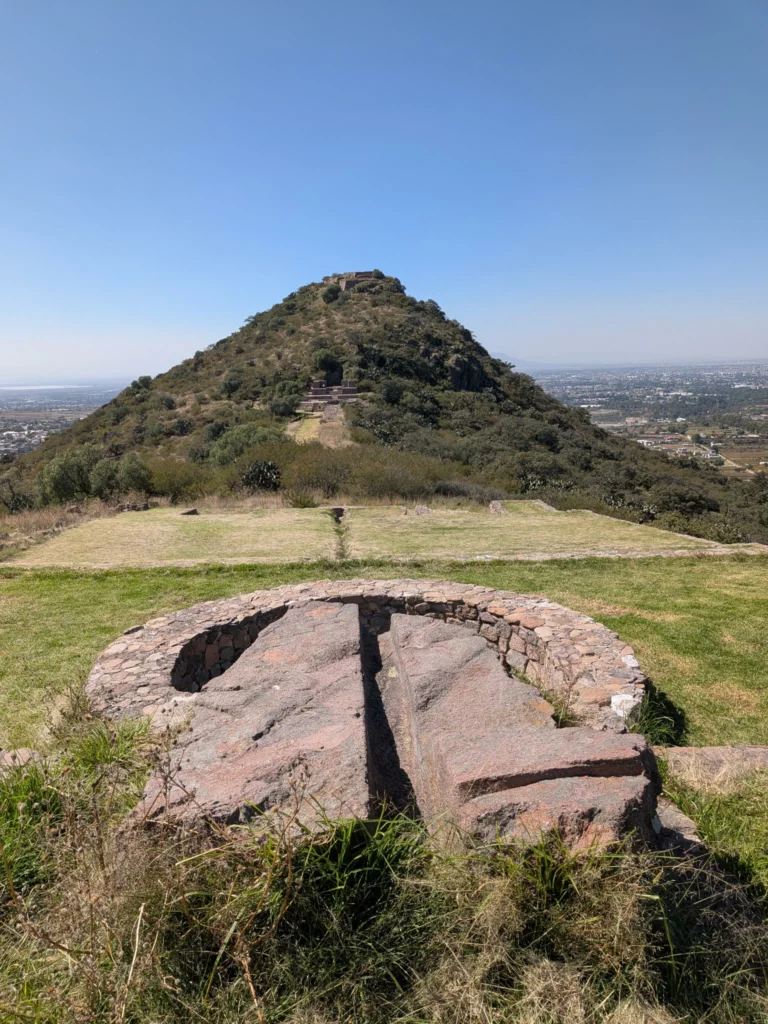
Texcotzingo: The Hilltop Garden-Sanctuary of the Poet-King Nezahualcóyotl
Rising from the eastern foothills of the Valley of Mexico near Texcoco, the hill of Texcotzingo is a complex of landscape design, water engineering, and philosophy. In the mid-fifteenth century, the famous poet-king Nezahualcóyotl transformed this dry, rocky hill into an earthly version of Tlalocan—the lush, green paradise of the rain god Tláloc. Rather than building a tall, rigid pyramid like those in Tenochtitlan or Teotihuacan, Nezahualcóyotl carved directly into the mountain itself. He shaped the bedrock into a stepped sanctuary where water, stone, native plants, and sky worked together in harmony.
Cacaxtla
Perched on a limestone ridge overlooking the fertile Puebla-Tlaxcala valley, the fortified hill of Cacaxtla is one of the most fascinating crossroads in ancient Mexico. It flourished during the Epiclassic period, roughly between 650 and 900 CE. At that time, the giant metropolis of Teotihuacan had collapsed, and nearby Cholula had temporarily declined.

For an overview and description of the Mexico–Tibet Bridge Pilgrimage Sites and Teachings, please continue here.
To return back to the Mexico–Tibet Bridge Pilgrimage main page, click here.
To continue reading about the Pilgrimage of the Universal Fire Mandala Ashes and pertinent teachings, please click here.
Donations
You can be of direct assistance to the event by making a donation to Akhamani. Your contribution will help the unfolding of the Unifying Ancestral New Fire and benefit the elders and wisdom keepers who will share their teachings to all participants.
All donations are considered charitable tax deductions in all of the European countries, the USA, and other parts of the World.
Please enter the amount of your donation below. We thank you for your contribution and support!

To learn more about what we do visit our Events and Projects pages.