


Meditation Teachings by Venerable Khenpo Tsultrim Tenzin Rinpoche
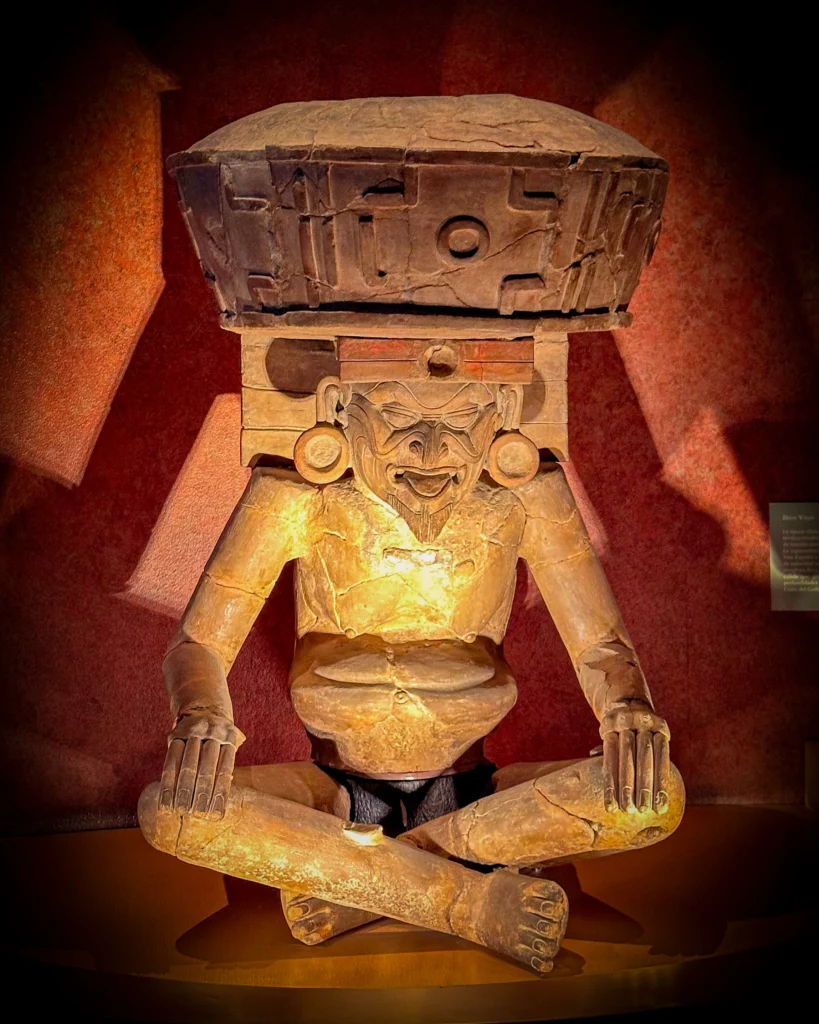
Preparatory Meditation Teachings by Khenpo Tsultrim Tenzin Rinpoche
Khenpo Tsultrim Tenzin Rinpoche explained that the mind is often difficult to control. Thoughts can pull us in many directions, and we may find that we began thinking about one thing but ended up somewhere entirely different. To illustrate this, he referred to a traditional image of a meditator following an elephant and a monkey along a winding path. In his explanation, the animals represent the restless, distracted mind that seems to run ahead of us.
Meditation gives us methods for training the mind. We begin by placing our attention on an object—such as the breath—and gently bringing it back whenever it wanders. Through repeated practice, the mind can become calmer and more workable. Khenpo Tsultrim Tenzin Rinpoche explained that once the mind has gained some steadiness and flexibility, it becomes easier to undertake analytical meditation, such as investigating the nature of phenomena.
He expressed that this order matters. If we try to contemplate a quality such as loving-kindness while our attention is continually carried away by other thoughts, it can be difficult to remain with the contemplation. Training concentration helps make the mind more stable, so that we can sustain wholesome qualities and engage more deeply with the questions we are examining.
He explained that he will teach the physical meditation posture in person, since posture is easier to learn through direct demonstration and guidance. For beginning mental training, however, he recommended working with a simple object of focus. He also mentioned that, when the group meets in Mexico, the Olmec heads can serve as a shared object of concentration.
Start with Intention
When we learn, we gain knowledge, skills, and methods. These can be very useful, but knowledge by itself does not necessarily make us wiser or kinder. If we use what we know only to gain power, wealth, or advantage for ourselves, our knowledge can become a cause of harm. A skill that could benefit many beings might instead be used to create weapons or to damage the natural world.
So we should ask ourselves: What is the intention behind what I am learning and doing? In the Dharma, intention is very important because our actions of body, speech, and mind are shaped by the motivation that precedes them. But even a sincere or apparently good intention needs to be examined. If we act without wisdom—without considering the circumstances, the method, and the possible consequences—we may cause harm while believing that we are helping.
Therefore, we need both a good intention and a wise method. We should ask not only, “What do I hope to achieve?” but also, “Is this way of acting genuinely beneficial? What effects might it have on others? Am I overlooking something because I am focused only on what I want?” In Buddhist terms, we are learning to bring our motivation and our conduct into alignment with the Dharma.
The cultivation of a good heart is not limited to Buddhists. Everyone wishes for happiness and freedom from suffering. If we want peace in our own mind and in our relationships, we need to develop qualities such as kindness, patience, honesty, and consideration. For those following the Mahāyāna path, this aspiration gradually opens into bodhicitta: the wish to attain awakening for the benefit of all sentient beings. We do not need to pretend that we already have perfect compassion. We can begin where we are, recognize our limitations, and train our intention step by step.
Harmonious Interactions
This training also asks us to become more open-minded. We have our own ideas and preferences, but others may see something that we do not. Sometimes a younger person may offer a sound suggestion, and an older person may benefit from listening. The important thing is not simply who is speaking; it is whether we can listen carefully, consider what is reasonable, and respond with respect. Listening does not mean that we must agree with everything. It means that we are willing to examine our own view rather than insisting, “My way is the only way.”
In a Tibetan saying, a community that cannot make room for one another is compared to yak horns in a bag. The horns are hard and have no flexibility; when they knock together, they make a great deal of noise. In the same way, if everyone holds tightly to their own position and refuses to listen, the community becomes full of friction. We must learn to adjust—not by abandoning discernment, but by making room for others, appreciating their contributions, and finding ways to work together.
Respectful Communication
This is why respect, listening, and thoughtful discussion are so important. A harmonious community does not mean that everyone thinks alike or that there are never disagreements. It means that we can meet disagreement without immediately becoming hostile, and that we try to resolve difficulties through honest and reasonable conversation. When people can cooperate in this way, the community becomes a supportive place for practice. When the community is divided by pride, resentment, or harmful speech, even good plans can become difficult to carry out.
A harmonious environment is also a helpful condition for meditation. Our actions of body and speech affect our own minds as well as the people around us. If we repeatedly act in ways that intensify agitation, anger, or confusion, it becomes harder to settle the mind. This is one reason ethical conduct is not separate from meditation. Restraining harmful actions and cultivating helpful ones gradually make the mind more peaceful and workable.
Balanced Intention
At the beginning, we may not always recognize the full consequences of our choices. We may act impulsively or be carried away by strong emotions. This does not mean that we should condemn ourselves; it means that we need training and guidance. We learn to pause, examine our motivation, consider possible consequences, and seek the advice of trustworthy people when appropriate. Gradually, we become better able to distinguish actions that support well-being from those that create further suffering.
For this reason, ethical conduct is a foundation of the spiritual path. As we become more familiar with a balanced motivation, learn to act with care, and develop respect for others, meditation becomes more meaningful. We are not simply trying to make the mind quiet while leaving our habits unchanged. We are training the whole person—our intention, our conduct, and our understanding—so that the Dharma can take root in everyday life.
Humility and the Measure of Practice
One participant reflected that taking responsibility for our intentions means being careful not to cause harm. She also explained that “making ourselves small” does not mean diminishing our worth. Rather, it means not taking up so much space or making everything about ourselves that we overlook others. Humility allows us to recognize that there may still be something to learn, that we may have missed something, and that other people’s perspectives can help us.
Khenpo Tsultrim Tenzin Rinpoche affirmed this reflection. He added that religious or spiritual practice should help us become better people. If a practice is not helping us, he said, we should examine whether it is serving its purpose. We can assess it by observing its effects: Is it helping us develop greater peace, kindness, understanding, and responsibility? The name of a religion or practice is not, by itself, proof of its benefit; what matters is whether it is genuinely supporting the well-being and the transformation we seek.
From Self-Concern Toward a Greater Intention
Khenpo Tsultrim Tenzin Rinpoche explained that people naturally have personal aims. Wanting to succeed or achieve something is not automatically a wrong intention. The important question is whether we pursue our aims ethically. Competition, for instance, does not have to be harmful, but we must maintain our ethical boundaries. If we pursue our own goals by harming others, our self-concern has become a problem.
At the beginning of the spiritual path, our motivation may be limited or self-focused. Khenpo Tsultrim Tenzin Rinpoche described this as an “impure” or less-developed intention—not necessarily a malicious one, but one that has not yet fully opened to the welfare of others. We can begin where we are and gradually develop a more expansive motivation.
He illustrated this with the example of a child who first goes to school simply because their parents send them. Later, after learning and recognizing their own abilities, the student may choose to become a teacher and help others learn. In a similar way, our motivation can grow; we may begin by practising for our own benefit, then gradually become more capable of practising for the benefit of others. In Mahāyāna Buddhism, this widening of motivation is cultivated through compassion and bodhicitta—the aspiration to attain awakening in order to benefit all beings.
Preparing to Meditate
To begin you need two things: a place to sit that is comfortable but not so comfortable that it encourages sleep; and a reason or motivation for practising; your intention. In Buddhist terms, one possible motivation is renunciation–the wish to become free from suffering and its causes. This does not mean rejecting life or trying to escape every difficult experience. It means recognizing that suffering has causes and cultivating the wisdom and qualities that help bring those causes to an end.
We often prefer not to think about suffering, but reflecting on it can help us understand why practice matters. It can encourage us to look honestly at our experience and consider what might lead to greater freedom. This reflection also includes recognizing impermanence. We may assume that there will always be more time—that we can practise, change, or attend to what matters later. Meditation can help us meet the reality that life is uncertain and that the present moment should not be taken for granted.
Motivation: Our Reason for Practising
One participant asked whether the reason to meditate needs to be a particular problem or whether it can simply be a positive intention. Khenpo Tsultrim Tenzin Rinpoche explained that motivation, intention, and reason are closely connected. A difficulty or experience of suffering may give us a reason to begin, but it does not have to be the only reason. We may also practise because we wish to cultivate qualities such as compassion, patience, or steadiness.
In Buddhism, he explained, two important motivations are renunciation and compassion. Renunciation is the wish to be free from suffering and its causes. Compassion is the wish for others to be free from suffering as well. These motivations give meditation a direction. That is, we practise not just to sit quietly, but to transform the mind and become less governed by harmful patterns.
Khenpo Tsultrim Tenzin Rinpoche compared meditation to driving. If we drive around without intending to go anywhere, we may spend a long time on the road and still return to where we started. If we have a destination, the journey has direction. Similarly, motivation helps guide meditation toward the qualities and understanding we hope to develop. The practice may bring relaxation, but its deeper purpose is the gradual transformation of the mind.
Developing Focus and Continuity
A participant asked how to strengthen her concentration and remain in the meditation posture for longer. Khenpo Tsultrim Tenzin Rinpoche replied that intention helps us begin, while understanding the benefits of meditation helps us continue. When we see how practice can support the qualities we value, we are more likely to persevere. If meditation feels like merely repeating the same activity without understanding its purpose, we may become bored and give up.
He also cautioned against becoming overly concerned with improvement. Wanting to be perfect, never make a mistake, or achieve results quickly can create pressure that interferes with concentration. Meditation is a gradual training, so we need patience rather than demanding immediate success.
To build the capacity to focus, Khenpo Tsultrim Tenzin Rinpoche recommended starting with short periods of practice and repeating them within a longer session. For example, you might set aside half an hour or an hour, meditate for a few minutes, pause briefly while remaining seated, and then return to the practice. As this becomes more comfortable, you can gradually lengthen the periods of concentration and shorten the pauses.
The aim is not to force yourself to remain focused for an hour from the very beginning. It is to make a sincere commitment, return to the meditation when the mind wanders, and continue patiently. Even when concentration is brief, each return to the chosen object is part of the training. Over time, regular practice can help the mind become steadier and the posture easier to maintain.
On-Site Teachings: Part I
Meditation is the practice of becoming familiar with the mind; it is the act of noticing how it moves, learning not to be carried away by every thought or emotion, and cultivating qualities such as clarity, steadiness, and compassion.
Meditation is not separate from view and conduct. The practice is not simply to feel peaceful while sitting; it is to bring greater awareness and compassion into how we think, speak, and act. Khenpo Tsultim Tenzin Rinpoche emphasizes awareness in everyday activities, as well as during formal meditation.
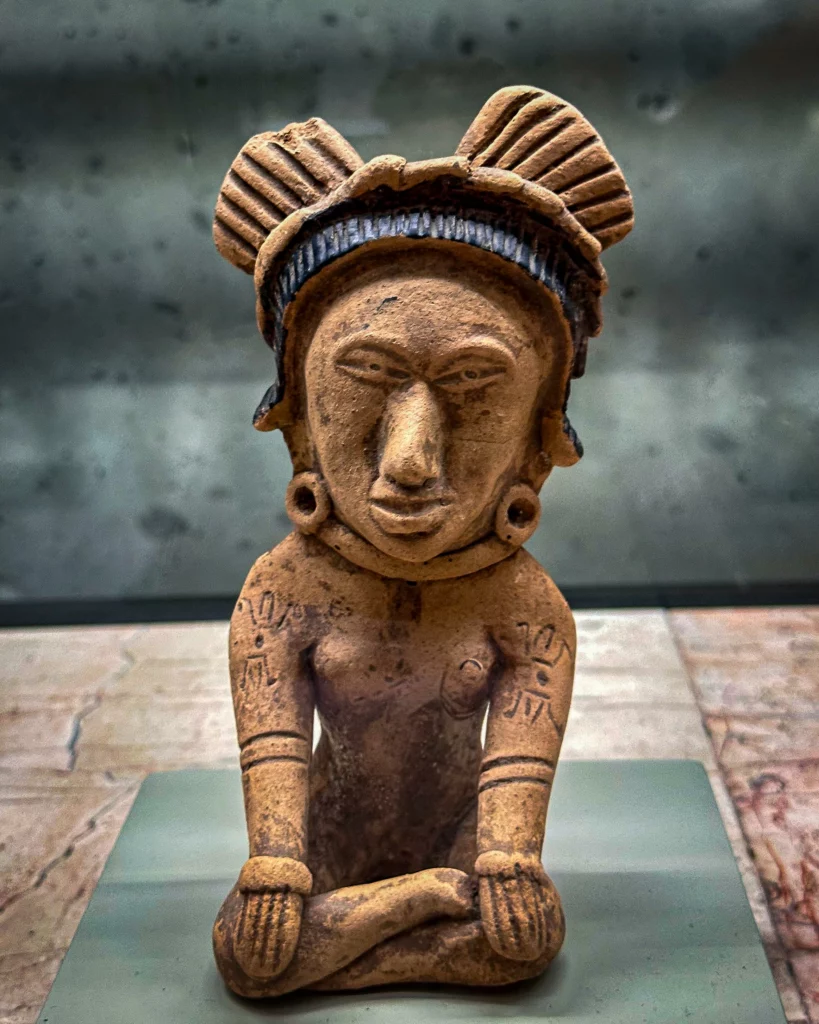
From Sitting Practice to Everyday Life
Formal sitting gives us a chance to practise in a relatively quiet setting. We learn to recognize distraction, return to awareness, and meet experience with less reactivity. Then, we carry that same intention into daily life. We do this while walking, working, eating, listening, and speaking.
This does not mean maintaining perfect concentration all day. It means remembering, again and again, to be present. A pause before answering, awareness of tension in the body, or noticing that irritation is rising can all become moments of practice.
The breath serves as a quiet reminder. Before entering a difficult conversation, for example, feel one or two natural breaths and notice what is happening in the mind. This brief pause may help create room to respond deliberately rather than react automatically.
Meeting Difficult Situations
A calm mind does not mean a life without conflict, nor does it mean suppressing strong feelings or accepting harmful behaviour. It means having a little more space around what is happening. We may still feel anger, fear, or hurt, but we can begin to recognize those feelings without letting them decide our next words or actions.
In a difficult discussion, this might mean listening long enough to understand what the other person is saying; checking our assumptions and speaking firmly without trying to wound. Sometimes compassion means patience; sometimes it means setting a clear boundary. The point is to respond with awareness rather than be driven solely by the first impulse or habituation.
This is where meditation connects with conduct. The Noble Eightfold Path links mindfulness with awareness of our thoughts, words and deeds, and emphasizes the speech and conduct that are helpful rather than harmful.
Calmness and Mental Pliancy
A calm mind need not be rigid or passive. With practice, it can become more workable and able to stay with a task when needed; shifting attention when circumstances change, and releasing a line of thought that is no longer useful.
Khenpo Tsultim Tenzin Rinpoche describes the aim of calm-abiding practice as cultivating a supple mind—one that can settle in meditation and also move out of meditation with ease. It also cautions against becoming attached to peaceful states. Calmness is a support for insight and compassionate activity, not a private refuge from life.
This pliancy develops gradually. We practise returning to the breath during a meditation practice and in everyday situations we practice returning to what is actually needed. Sometimes that is listening. Sometimes it is speaking clearly, taking a break, asking for help, or changing course. “Effortless” does not mean that adaptation requires no care or discernment. Rather, as reactivity softens, we may waste less energy resisting the moment and have more room to respond appropriately.
Compassion
Awareness by itself can become narrow if it serves only our own comfort. In the Mahayana orientation central to Drikung Kagyu, mindfulness is joined with compassion and bodhicitta—the aspiration to awaken for the benefit of all beings.
In practice, this can be as simple as asking: What response is least likely to cause harm? What might help here? Can I understand this person’s experience without abandoning my own judgment? We may not always find an ideal answer, but asking these questions can soften self-centred reactions and guide us toward wiser conduct.
The Drikung tradition’s emphasis on integrating meditation and philosophical understanding also points toward this union: practice should inform how we meet real conditions, not remain an isolated experience on the cushion.
The Foundation of the Meditation Practice
The Nose as a “Pillar”
Imagine the tip of the nose as a pillar, and let the mind rest there as if gently tethered. The image is a reminder to return—not a command to clamp down on attention. Keep the eyes and face relaxed; there is no need to stare at or strain toward the nose.
Notice the subtle sensations of breathing at the nostrils: perhaps coolness, warmth, movement, or a faint touch. These may be very slight. Let them be enough. The practice is not to create a special sensation, but to know the ordinary sensation that is already present.
The Breath as a Pathway
With practice, attention may become steadier, and the boundary between “watching” and “being aware” may feel less strained. Do not try to manufacture this. For now, know each in-breath as it touches the nostrils, and each out-breath as it passes there.
The deeper direction of Mahāmudrā is not merely to become calm, but to understand the mind through direct experience. Khenpo Tsultrim Tenzin Rinpoche explained that this simple exercise can prepare the ground by making attention steadier, which is the foundation for any spiritual practice. However, it does not, by itself, amount to a complete Mahāmudrā practice; the lineage’s fuller view and instructions are traditionally learned from a qualified teacher.
Remaining in the Present Moment
For this practice, do not follow the breath down into the chest or abdomen. Attention remains at the nostrils, where the breath’s passage can be known simply and directly. Nor do you need to track every thought or sensation in the body. You are choosing one clear, modest support for the mind.
This is a practice instruction for this method—not a claim that other ways of attending to the breath are wrong. If focusing at the nostrils feels uncomfortable or causes strain, soften the effort or use another neutral support. The aim is awareness, not discomfort.
Calm Abiding
Here, mindfulness means remembering the chosen support and recognizing what is happening. The mind wanders; mindfulness notices. Attention returns to the breath; mindfulness remembers to stay. This is why wandering is not a failure. Each gentle return is part of the training.
Khenpo Tsultrim Tenzin Rinpoche emphasized that mindfulness and awareness are not only practiced in seated meditation, but also in ordinary daily activities.
“Without Judging” Isn’t Becoming Unaware
Not judging means not adding an unnecessary story: This breath is good; that one is bad; I am meditating well; I am failing. It does not mean becoming blank or indifferent. You remain vividly aware of the sensation, while allowing it to be as it is.
When a thought appears, there is no need to push it away or follow it. Recognize that thinking is happening, then return to the nostrils. The thought may remain for a moment; the practice is simply not to build a journey around it.
Relaxed, Yet Clear
A central balance in meditation is to be neither too tight nor too loose. Too much effort can create tension in the forehead, eyes, or breath. Too little effort can lead to dullness or drifting. Let the imagined tether be light: enough to keep the mind oriented, not so tight that it becomes rigid.
If the mind grows sleepy, sit a little more upright and renew your attention. If it becomes agitated, ease the effort and return gently to one breath at a time. Khenpo Tsultrim Tenzin Rinpoche described this kind of support practice as a way of cultivating a supple, workable mind, while cautioning against clinging even to peaceful meditation states.
A Short Practice
- Sit comfortably and allow the body to settle.
- Make sure that your spine is straight.
- Let the breath move naturally; do not hold or deliberately control it.
- Imagine the tip of the nostrils as a pillar, and rest your attention lightly there.
- Notice the sensation of each in-breath and out-breath at that point.
- When attention wanders, recognize it without blame and return.
- Continue for a few minutes, then end gently and carry some of that awareness into your next activity.
The essential point is to recognize the sensation, remember to remain, and return without harshness. The pillar is a support; the breath is an anchor; mindfulness is the act of remembering. Practised patiently, this can help the mind become calmer and more flexible—not by forcing thoughts to disappear–by learning not to be carried away by every thought that arises.
Carrying the Meditation Practice to Daily Life
Sitting meditation trains us to notice, return, and remain present. Daily life gives us many opportunities to use that practice; to listen more fully, speak more carefully, recover more quickly when upset, and adapt when circumstances change.
The aim is not to become endlessly calm or agreeable. It is to become less captive to automatic reactions and more available to wisdom and compassion. In Buddhism, sitting meditation is a place to train—but the practice is tested and expressed in how we meet the world.
- Pause briefly.
- Feel the body and, if helpful, notice one natural breath at the nostrils.
- Recognize what is present—perhaps anger, fear, confusion, or urgency—without immediately acting on it.
- Consider what the situation requires, including whether a boundary or practical action is needed.
- Respond as clearly and compassionately as you can.
- Afterwards, reflect without harsh self-judgment: What did I notice? What might I try next time?
May this practice nurture clarity and steadiness, and may its benefit extend to the well-being of all sentient beings.
On-Site Teachings: Part II
In our previous discussion, I explained that, according to the Buddhist view, the body and mind are distinct. Some Western scientists identify the mind with the brain, but in Buddhism, the mind exists independently of the body. One researcher who spent more than a year observing newborn babies found that each seemed to have a distinct character from birth. This can be understood as evidence that the mind carries impressions and information from past lives; that the consciousness is carried on.
Breath
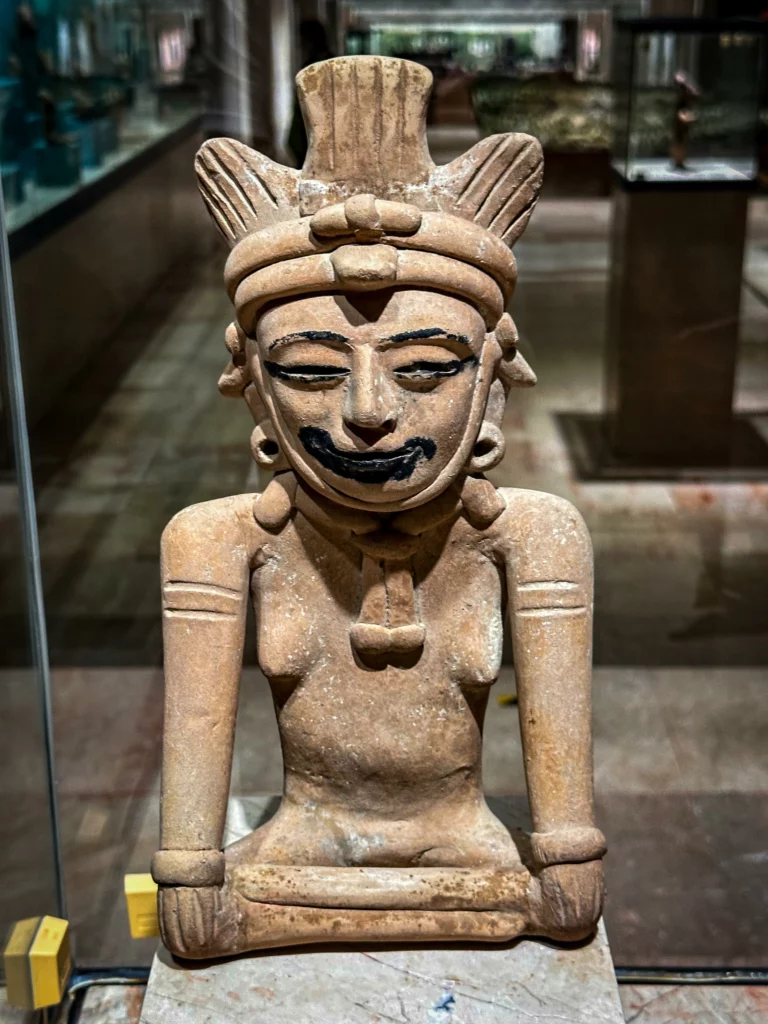
The body and mind are connected by the breath. As long as we can breathe, life continues; when a person takes their final breath and cannot inhale again, life ends. In Buddhism, the breath moves through channels in the body, and wherever it flows, consciousness has access. This is offered as an explanation for why some parts of the body, such as hair and nails, can be cut without pain, while an injury to living skin hurts.
Posture
This connection between breath, body, and mind is one reason meditation posture matters. Sitting upright helps keep the channels straight, allowing the breath to flow more gently and the mind to become calmer. The spine should be straight from the tailbone to the head. Let the chin incline slightly inward so the neck and spine remain aligned, rather than letting the head tilt back and the spine curve. Open the shoulders and chest, as if spreading a bird’s wings; this can help release tension and make breathing feel more open.
Training the Mind to be Pliant
Meditation is also a way to train the mind. At first, the mind can be like a wild horse: we try to focus, but thoughts keep pulling us elsewhere. Choose a comfortable object of attention and practise staying with it for as long as you can. Gradually, the mind becomes more steady and pliable.
Attention can be pulled in many directions, even when we sincerely want to rest. The answer is not to punish the mind for wandering. Instead, practise returning patiently, again and again. Over time, the mind may become steadier and more workable—pliancy. This does not mean that thoughts vanish or that we can command every feeling to disappear. It means we grow less automatically carried away by whatever arises. We can recognize a thought, allow it to be there, and choose whether to follow it.
Calm Abiding
In the Drikung Kagyu tradition, calm-abiding meditation—śamatha, or shiné in Tibetan—is an important foundation. It helps settle distraction and cultivate stability. But meditation is not only about becoming calm. With greater steadiness, one can begin to observe experience more closely: thoughts, feelings, and sensations arise, change, and pass. They can be vivid and compelling without being fixed or permanent. However, we must first practice to train the mind to be more pliancy.
We often hold on to difficult experiences and let them dominate our thoughts. When something is troubling you, acknowledge that it happened, but also remember the good things in your life. You may have your health, freedom, or other sources of support and happiness. Bringing these to mind can help put one painful event into perspective and keep it from overwhelming you. Meditation helps us let go of thoughts that disturb the mind and return to a more positive, peaceful state.
This can be a helpful way to loosen the grip of rumination. It should not mean denying grief, minimizing harm, or telling ourselves we have no reason to suffer. A more balanced practice is to acknowledge what hurts and, alongside it, make room for whatever support, care, freedom, or goodness is also present.
Cultivating Compassion
In Buddhist practice, this kind of reflection is most fruitful when joined with compassion. We can extend that compassion inward—to ourselves as we struggle—and outward, remembering that other beings also experience fear, loss, and longing. In Drikung Kagyu teachings, compassion and bodhicitta—the intention to awaken for the benefit of beings—are central to the path, not merely additions to meditation.
A Simple Practice to Carry Forward
- Sit upright in a posture that is comfortable and sustainable.
- Let the shoulders soften and the breath remain natural.
- Rest attention on the light sensation of breathing at the nostrils, or choose another neutral support; life feeling the ground on your feet.
- When the mind wanders, recognize it gently and return.
- If a difficult thought arises, acknowledge it without following it immediately.
- Before ending, bring to mind one source of support or kindness, and dedicate the benefit of the practice to the well-being of others.
Begin with a short session. Consistency and gentleness are more useful than forcing long periods of concentration.
The Heart of the Practice
The deeper invitation in this teaching is not to conquer the mind, but to become familiar with it. Breath and posture offer a place to begin; patient attention gives the mind room to settle; compassion shapes how we meet whatever appears. In this way, meditation can become more than a quiet interval. It can be a gradual training of the mind that allows you to have a more peaceful & joyful life.
For an overview and description of the Mexico–Tibet Bridge Pilgrimage Sites and Teachings, please continue here.
To return back to the Mexico–Tibet Bridge Pilgrimage main page, click here.
To continue reading about the Pilgrimage of the Universal Fire Mandala Ashes and pertinent teachings, please click here.
Donations
You can be of direct assistance to the event by making a donation to Akhamani. Your contribution will help the unfolding of the Unifying Ancestral New Fire and benefit the elders and wisdom keepers who will share their teachings to all participants.
All donations are considered charitable tax deductions in all of the European countries, the USA, and other parts of the World.
Please enter the amount of your donation below. We thank you for your contribution and support!

To learn more about what we do visit our Events and Projects pages.